
How Scar Tissue Affects Your Whole Body
Last updated July 28, 2026
How Does Scar Tissue Affect Your Body
Scar tissue doesn’t stay where the scar is. Because your body is wrapped in one continuous sheet of connective tissue (fascia), a restriction at any scar can pull on muscles, nerves, and organs far from the original site — which is why scar tissue can affect every system in the body, from digestion to breathing to circulation. Symptoms often appear years later, in places no one thinks to connect to an old scar.
New to the topic? Start with What Is Scar Tissue for how it forms.
To some people, scars are trophies or war wounds to be proud of (there are even Facebook pages of people showing off their scars), but for others, scar tissue is a source of physical pain or a reminder of traumas that they wish to forget.
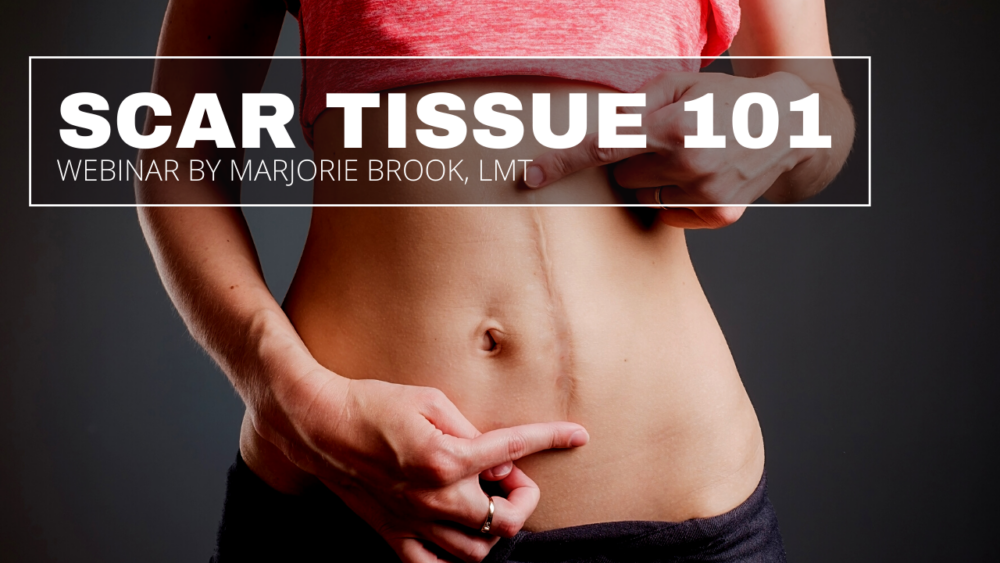
And for others, they are something they have already forgotten and are unaware of how it is affecting their body. For these people, the scars are so forgotten they don’t even get listed on medical history forms. Six out of ten women who come into my practice who had a c-section do not consider their c-section a surgical procedure.
“Six out of ten women who come to me for C-section scars don’t consider their C-section surgery — it’s ‘the day they gave birth.’ And if you’re not even acknowledging what your body went through, you’re certainly not healing correctly.”
Scar Tissue 101
Most people are aware of how scars impact the physical appearance of the body but most fail to recognize how scars impact their body internally. The truth of the matter is scars and the restrictions they cause can affect every system of the body.
Recognizing this is the key to unlocking mysterious pain and other issues that have been interfering with the body’s ability to function and balance.
Historically scar tissue has been ignored or even viewed as having no consequence by the medical world. So long as there’s no infection and they didn’t leave anything inside of you during surgery, the doctor’s job is done. Doctors are not thinking about scar tissue and its impact before, during or after surgical procedures. If you are having any type of abdominal or pelvic surgery, you have a 95-100% chance of having adhesions and scar tissue. But nothing is done about it. It’s no different than breast cancer and mastectomy patients not learning about lymphatic massage until lymphedema occurs, instead of being proactive and preventative and getting these massages before and after the surgery.
With all the current, ongoing research and information compiling on the importance of fascia, the medical world is starting to recognize the significance of scar tissue on the body. But there are still too many doctors who don’t recommend scar tissue therapies immediately following surgery and instead only recommend it when the scar tissue is causing noticeable pain for their patients.
The Case That Started It All
“I started developing the S.T.R.A.I.T. Method in massage therapy school, because my very first client in student clinic had scars all over his stomach — but was only complaining about lower back pain. In my head, the scars in the front had to be associated with the pain in the back. And that’s exactly what it was: a scar from when he was six days old, a scar from when he was 12, and a scar from when he was 45 — created by the scar tissue spreading from the first two throughout his life. He agreed to be my school project. Thirty years later, he’s not only still my client and out of lower back pain — he’s also my CPA.”
Scar Treatment Concerns – What to Look Out For
As with most new fields of interest, there have been many new versions of therapy popping up, which for the most part is a very good thing. Unfortunately, the negative side of new frontiers is that many therapies are being administered without a proper understanding of the subject matter.
- The internet is now flooded with inaccurate information about scar tissue and ways to cure it. There is even a guy out there who tells people in his book that they can stick themselves with pins to help with their scar tissue.
- Therapies are being applied with total lack of understanding of the physiology of scar tissue.
“No one thing is the end-all be-all, because everybody is different. Person A and person B can have the exact same surgery, and it is in no way, shape, or form the same problem. How they heal, how they react, what they do in life — all of it affects their healing process.” - There is little, or worse, no knowledge behind the events that caused the scars (i.e. surgeries, accidents, and what the corrective procedures actually did to the body). For example, there is a big difference between an emergency c-section and a planned c-section and the impact it has on the body.
- No attention is paid to the psychological and emotional trauma surrounding the event(s) which caused the scarring. This is important because touching or manipulating the scar could trigger PTSD. There are many people who have never even touched their scar due to the trauma associated with it.
- Few look for the possible compensations the body may have compiled in response to restrictions and what releasing those restrictions without proper rehab would do.
In other words, when it comes to the compensations, if someone has a c-section, that c-section may be pulling this person down or turning their pelvic or not allowing their pelvis to reset after the pregnancy. Or someone who had a mastectomy not being able to pull their arms open all the way or they can’t lift their arms overhead – all as a result of the surgery. Or people who have had foot or ankle surgery whose body has shifted because it changed their gait. Or women who have breast implants (not reconstruction) with foot pain. This is common as the fascia lines runs down the body from the breast to the feet and as a result of the implants there is now a pull that impacts the feet. Many women who increase their breast size by a cup or more with implants experience feet pain.
This lack of understanding and people just jumping at attempting to treat scar tissue without an understanding is honestly terrifying.
In order to treat scar tissue, you need to find someone who understands scar tissue, what caused the scar, and all the events that lead up to the scar formation.
Scar Tissue Misinformation
Here is some common misinformation regarding scar tissue.
- Scar tissue cannot be broken down nor can it be removed. Anyone who claims to breakdown scar tissue does not understand what scar tissue is.
- Scar tissue (not to be confused with adhesions) replaces normal tissue that is damaged. If you break down you are essentially saying that you are causing a new wound. At its best scar tissue is only 70% as functional as normal tissue. But scar tissue could be functioning at less than 10% of normal tissue. The goal with scar tissue therapy is to get it functioning as optimally as possible.
- The only person who can remove scar tissue is a surgeon who is literally cutting it out – only for new scar tissue to form. You want to avoid this whenever possible as it simply creates new scar tissue formation and it is very traumatizing to the body.
- Scar tissue is dead fibrous tissue – this is not true. Scar tissue composition and structure are different than that of the normal tissue it replaces. Because of changes in the relative amounts, type and structure of collagen, it is inferior to function.
- Anyone can treat a scar
- Scars only affect the tissue
- Scar tissue is only an esthetic issue
Most people are only concerned with how the scars alter their appearance and have no idea how the scars and adhesions are affecting their bodies on so many different levels or that scars can be a trigger for PTSD. For example, individuals who are getting angry or sad for no apparent reason but it’s really stemming from pressure on their scar tissue such as their bra or pants putting pressure on the scar. Or an action such as reaching for a can of peas causes a flashback or triggers an emotion because that action puts a strain on the scar tissue.
Misinformation: Scars only affect the tissue
Scar tissue affects every system of the body including
- Integumentary
- Muscular-skeletal
- Nervous
- Circulatory
- Lymphatic
- Respiratory
- Endocrine
- Urinary / Excretory
- Reproductive
- Digestive
Understanding how each of these systems can be affected by scar tissue can lead you to unravel the mysteries of the pain and frustration you have been suffering, in some cases for years.
How Scar Tissue is Different Than Other Tissue
- Scar tissue has less elasticity
- Scar tissue is not as strong as normal tissue (in fact it’s only 70% as strong at best)
- Scar tissue does not oxygenate well, creating a low (acidic) PH environment
- Scar tissue is different neurologically – it can transmit pain faster and more intensely than normal tissue
- Scar tissue does not contract – it moves through tension force
- Scars are less resistant to ultraviolet radiation (this means you have to wear sunblock on the scar)
- Scar tissue does not contain sweat glands and hair follicles
- Scar tissue is prone to injury
Because of the chaotic ways that the fibers are forming and the cross-tension pulls that scar tissue causes, it is not as strong as normal tissue and is more likely to tear and cause a problem. Additionally, it does not oxygenate well because the circulation is limited which limits the oxygen through the area. This causes a low (acidic) PH environment which is never good as it allows bad things like cancer to thrive.
Many patients experience a loss of feeling or sensation or pain where their scar is located. About 50% of women who have c-sections or hysterectomies are numb where their scar is due to the tissue not reconnecting properly after the surgery or they are bound up in the scar tissue. But during scar tissue release massage you can get the sensation of feeling back by releasing the bound-up nerves in the area.
The Goal of Working with Scar Tissue
The goal of working with scar tissue is to:
- release the adhered layers – get it separated and moving (not break them apart)
- attempt to re-establish homeostasis – or try to get the body to function the way it was designed to function
- release and correct the compensations from fascial restrictions
- be acutely aware of possible emotional release during this process
It’s about rehabbing the body and getting it as close as possible back to the “factory” settings.
Acknowledging that scar tissue may be at the root of the problem is the first step in any therapy. After that simply massaging the affected area can bring about change. Your therapist needs to thoroughly understand the event which caused the scar and everything that goes with it in order to truly treat the scar tissue.
There are so many wonderful forms of therapy available today to help people on their journey to balance health and wellness. One of the ways to achieve that health and balance are recognizing the effects scars are having on a person.
Frequently Asked Questions
Can you break up scar tissue?
No — and anyone who promises to “break down” scar tissue doesn’t understand what it is. Scar tissue replaces damaged tissue; breaking it apart would simply create a new wound and more scarring. What skilled therapy actually does is release the adhesions binding scar tissue to surrounding layers, restoring glide and function. The goal isn’t destruction — as Marjorie puts it, “it’s about rehabbing the body and getting it as close as possible back to the factory settings.”
How do you get rid of internal scar tissue without surgery?
You don’t remove it — only a surgeon can cut scar tissue out, and doing so creates new scar tissue in its place. Instead, manual release therapy works layer by layer to free internal adhesions so tissue can move the way it was designed to. Internal restrictions from abdominal or pelvic surgery are especially common: if you’ve had surgery there, you have a 95–100% chance of adhesions. Most respond well to hands-on release without any procedure.
Why is my scar numb — and can the feeling come back?
Numbness is one of the most common scar complaints: about 50% of women who’ve had C-sections or hysterectomies have numbness around their scar, because nerves didn’t reconnect properly or are bound in the scar tissue. In many cases, releasing the bound-up nerves during scar tissue release work restores sensation — patients are often surprised that feeling can return years later.
Who should treat scar tissue?
Someone who understands the scar’s full story — the surgery or injury that caused it, the compensations your body built around it, and the emotional weight it can carry. Training matters enormously here: “There are people taking a six-hour online course and calling themselves certified in scar work. When I teach somebody, it’s 250 hours in person.” Marjorie Brook developed the S.T.R.A.I.T. Method™ and treats complex scar cases at her Wantagh, Long Island practice, seeing patients from across Nassau, Suffolk, Queens, and NYC.
》A B O U T M A R J O R I E B R O O K 
Marjorie Brook, LMT is the creator of the S.T.R.A.I.T. Method™ — Scar Tissue Release And Integrated Therapies — a scar tissue release system now taught to therapists in more than 12 countries. She has been in clinical practice for 29 years and has been brought in to train clinical staff at Singapore General Hospital and Shriners Children’s Hospital in Boston. An NCBTMB-approved continuing education provider and published author, she founded Brook Seminars in 2007 and continues to teach internationally.
She still sees patients herself, by appointment only, from her private practice in Wantagh, New York — post-surgical scars, chronic pain, and complex cases other therapies haven’t resolved. 80% of the patients who come in for a first session come back.